
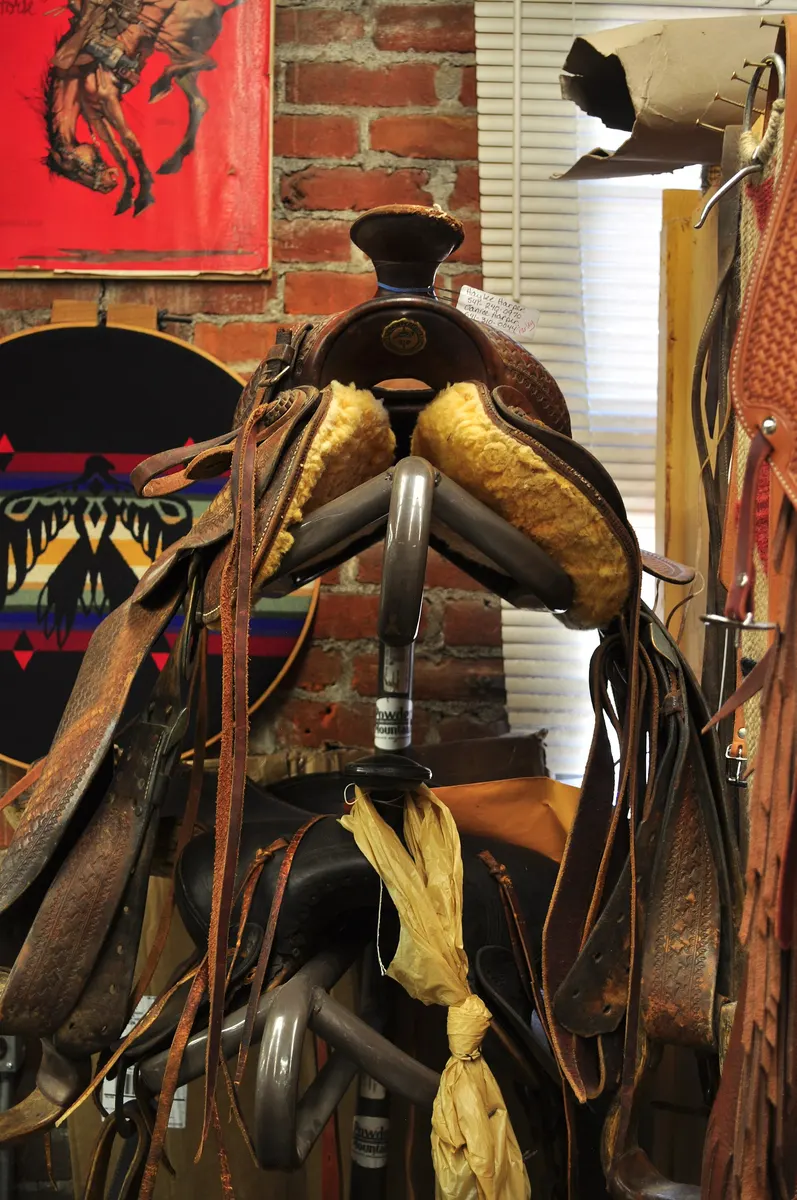
If you’ve come across the term “Crazy Horse leather” while shopping for a rugged bag or a new wallet, you might have wondered if it has anything to do with horses at all. The name certainly sounds equestrian, and for good reason, its roots lie in saddle-making traditions. But the truth is, Crazy Horse leather is not made from horses. It’s a type of full-grain cowhide treated with waxes and oils, prized for its durability and unique ability to develop a beautiful, worn-in patina over time. Let’s take a closer look at what makes this leather so special, how it ages, and why it might be a perfect choice for horse lovers who appreciate tough, character-rich materials.
What Exactly Is Crazy Horse Leather?
Crazy Horse leather is a full-grain cowhide that has been infused with waxes and oils during the tanning process. Full-grain means the top layer of the hide is left intact, retaining the natural grain, markings, and strength of the leather. This is the highest quality grade of leather, known for being exceptionally durable and resistant to wear.
The treatment gives the leather a distinctive pull-up effect: when you bend, scratch, or press the leather, it temporarily lightens in color at the stressed area. This creates a distressed, vintage look that many people find appealing. Over time, as you use the item, the leather develops a rich patina that tells the story of your adventures. It’s a leather that looks better with age, not worse.
Why Is It Called “Crazy Horse” Leather?
The name “Crazy Horse” is a nod to the leather’s rugged, hard-wearing nature, reminiscent of the tough saddle leather used by cowboys and riders. It’s a marketing term that evokes the spirit of the American West and the legendary Oglala Lakota leader Crazy Horse, known for his bravery and resilience. The name has stuck because it perfectly captures the leather’s character: tough, unpolished, and full of history.
It’s important to remember, though, that the name is about tradition and image, not the animal itself. If you’re looking for leather made from horsehide, you’d want to search for “horsehide” or “cordovan” instead. For most practical purposes, Crazy Horse leather is a cowhide product designed to mimic the look and feel of well-used saddle leather.
How Does It Compare to Other Leathers?
If you’re familiar with other types of leather, here’s how Crazy Horse stacks up:
- Vs. Full-Grain Leather: Crazy Horse is a type of full-grain leather, so it shares the same durability and natural beauty. The key difference is the wax and oil treatment, which gives it the pull-up effect and a slightly softer, more flexible feel. - Vs. Top-Grain or Corrected-Grain Leather: Top-grain leather has the top layer sanded down to remove imperfections, making it smoother but less durable. Crazy Horse retains the full grain, making it stronger and more characterful. - Vs. Suede or Nubuck: Suede and nubuck are made from the underside of the hide and have a soft, fuzzy texture. Crazy Horse is smooth and firm, with a waxy finish. They are completely different materials. - Vs. Standard Equestrian Tack Leather: While Crazy Horse leather is tough and water-resistant, it is not typically used for modern horse tack like bridles or saddles. Tack leather is often specially treated for flexibility and strength under high stress. Crazy Horse is more common in accessories like bags, boots, and wallets.
Practical Benefits for Horse Lovers
For horse owners and riders, Crazy Horse leather offers some real-world advantages. Its abrasion resistance makes it ideal for items that get knocked around, think stable bags, grooming totes, or field notebooks. The wax treatment also provides a degree of water resistance, though it’s not fully waterproof. A light rain or splash won’t ruin it, but you wouldn’t want to submerge it.
Another perk is the low-maintenance care. Minor scratches and scuffs often blend right in, thanks to the pull-up effect. You can even rub the area with your finger to help the oils redistribute and minimize the mark. This makes it a great choice for anyone who wants a tough, good-looking accessory that doesn’t require constant babying.
Caring for Crazy Horse Leather
To keep your Crazy Horse leather looking its best, follow these simple tips:
- Clean gently: Use a soft, dry cloth to wipe away dirt. For deeper cleaning, a damp cloth is fine, but avoid soaking the leather. - Condition sparingly: Because the leather is already saturated with waxes and oils, too much conditioner can alter the finish. Use a product designed for waxed or oiled leather, and only when the leather feels dry. - Avoid over-wetting: While water-resistant, prolonged exposure to moisture can cause the leather to stiffen or the oils to leach out. Let wet items air dry naturally, away from direct heat. - Expect color transfer: When new, the waxes can sometimes transfer to light-colored fabrics. This usually stops after a few weeks as the leather settles.
Is Crazy Horse Leather Right for You?
If you love the look of well-worn, vintage-style leather and want something that will stand up to daily use, Crazy Horse leather is a fantastic choice. It’s perfect for items like travel bags, boot bags, wallets, and even stylish stable accessories. The name might be a little misleading, but the quality and character are very real.
For those who appreciate a material that ages gracefully and tells a story, Crazy Horse leather offers a rugged, honest beauty that only gets better with time. And if you’re looking for more inspiration for horse-themed names or gear, be sure to check out our horse name generator or browse our collection of female horse names for your next project.