
Learning to ride a horse is one of the most rewarding experiences you can have. Whether you dream of peaceful trail rides, want to connect with these amazing animals, or are simply curious about what it feels like, the first time you sit in a saddle is unforgettable. But for a complete beginner, it can also feel a little intimidating. Don’t worry, every rider started exactly where you are now. The key is to begin with the basics: safety, proper gear, and a calm, patient approach. This guide will walk you through the essential first steps, from what to wear to how to steer and stop, so you can feel confident and prepared for your first ride.
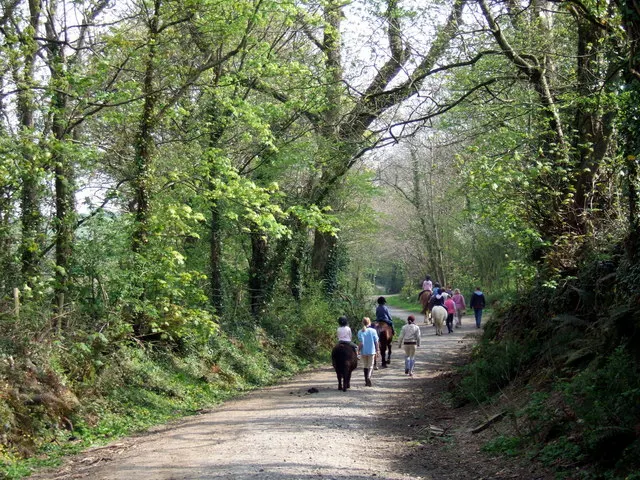
What to wear and what to bring
Before you even approach a horse, you need the right clothing and safety gear. This isn’t about fashion, it’s about comfort and preventing injury. Here’s what you should have:- Long pants, Jeans or riding breeches protect your legs from chafing against the saddle.
- Closed-toe shoes with a small heel, Boots with a short, defined heel (about half an inch to one inch) prevent your foot from slipping through the stirrup. Sneakers or sandals are not safe.
- A properly fitted helmet, This is non-negotiable for beginners. A riding helmet can save your life if you fall. Many stables provide them, but you can also buy your own.
- Gloves, Optional but helpful to protect your hands from rein friction and blisters.
- Avoid loose clothing or dangling jewelry, Scarves, long necklaces, or baggy sleeves can catch on the saddle or frighten the horse.
Approaching and mounting your horse
Horses are large, sensitive animals, so how you approach them matters. Walk calmly and quietly toward the horse’s shoulder, not directly from behind (which can startle them). Let the horse sniff the back of your hand before you touch them, this helps them recognize you as a friend.Mounting is almost always done from the horse’s left side. This is a long-standing training convention, and most horses expect it. To mount, stand beside the horse’s shoulder, facing the tail. Hold the reins in your left hand, place your left foot in the stirrup, and push yourself up gently. Swing your right leg over the horse’s back without kicking them, and lower yourself slowly into the saddle. Avoid “plopping” down hard; settle your weight gradually so the horse stays comfortable.
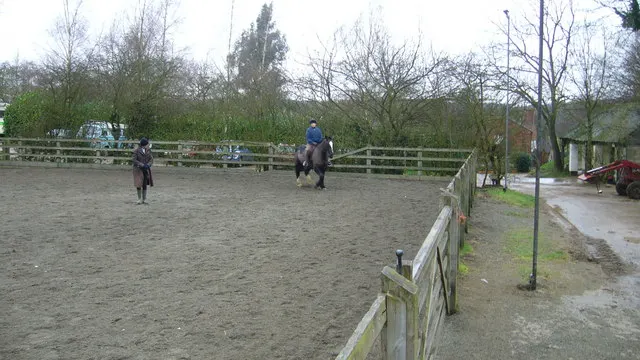
Finding your seat and basic posture
Once you’re in the saddle, your posture is everything. Good riding isn’t just about sitting still, it’s about moving with the horse. Here are the key points:Sit tall and relaxed. Imagine a string pulling you up from the top of your head. Keep your shoulders back and down, your back supple, and your hips loose so they can follow the horse’s motion. Your heels should be pressed down, with the ball of your foot resting on the stirrup. Keep your hands quiet and low, holding the reins gently, never use them for balance. If you feel unsteady, focus on your core and legs, not your hands.
How to steer, stop, and go
Horses respond to subtle cues, not force. Your main tools are your reins, legs, and seat. For a beginner, you’ll mostly focus on reins and legs.To walk forward: Squeeze gently with both legs or give a light nudge with your heels. At the same time, soften your hands slightly to let the horse move forward.
To turn: Look in the direction you want to go, your body naturally follows your eyes. Then, gently guide the rein toward that direction. For example, to turn left, lightly bring your left hand back and to the left. Add a little leg pressure on the opposite side (right leg) to encourage the turn.
To stop: Sit deep in the saddle, close your fingers on the reins, and say “whoa” in a calm voice. Pull back gently, never yank or jerk. The horse should stop smoothly. If you pull hard, you can hurt the horse’s mouth and confuse them.
Remember: the reins are for communication, not balance. If you feel like you’re falling, grab the mane or the saddle’s pommel, not the reins.
Common mistakes to avoid
- Holding the reins too tight, This can make the horse nervous or cause mouth pain. - Looking down, Keep your eyes up and looking where you want to go, not at the horse’s head. - Leaning forward or backward, Stay centered over the horse’s balance point.Safety tips for your first ride
Riding is generally safe when you follow basic rules. Here are a few to keep in mind:- Listen to your instructor or trail guide. They know the horse and the environment. - Keep a safe distance from other horses, about one horse length. Horses can kick if they feel crowded. - Stay calm. Horses sense your emotions. If you’re nervous, take a deep breath and focus on your breathing. - Never wrap the reins around your hands or fingers, This can cause serious injury if the horse pulls away. - If you fall, try to roll away from the horse and stay still until you know you’re not hurt.