
There’s nothing quite like the feeling of settling into a saddle for the first time. Whether you’re dreaming of peaceful trail rides through the woods or simply want to understand what your horse-loving friends are always talking about, horseback riding is a rewarding skill that blends partnership, patience, and a little bit of courage. If you’re new to riding, the most important thing to remember is that you don’t need to be an athlete or a horse expert to start, you just need the right mindset and a few practical basics.
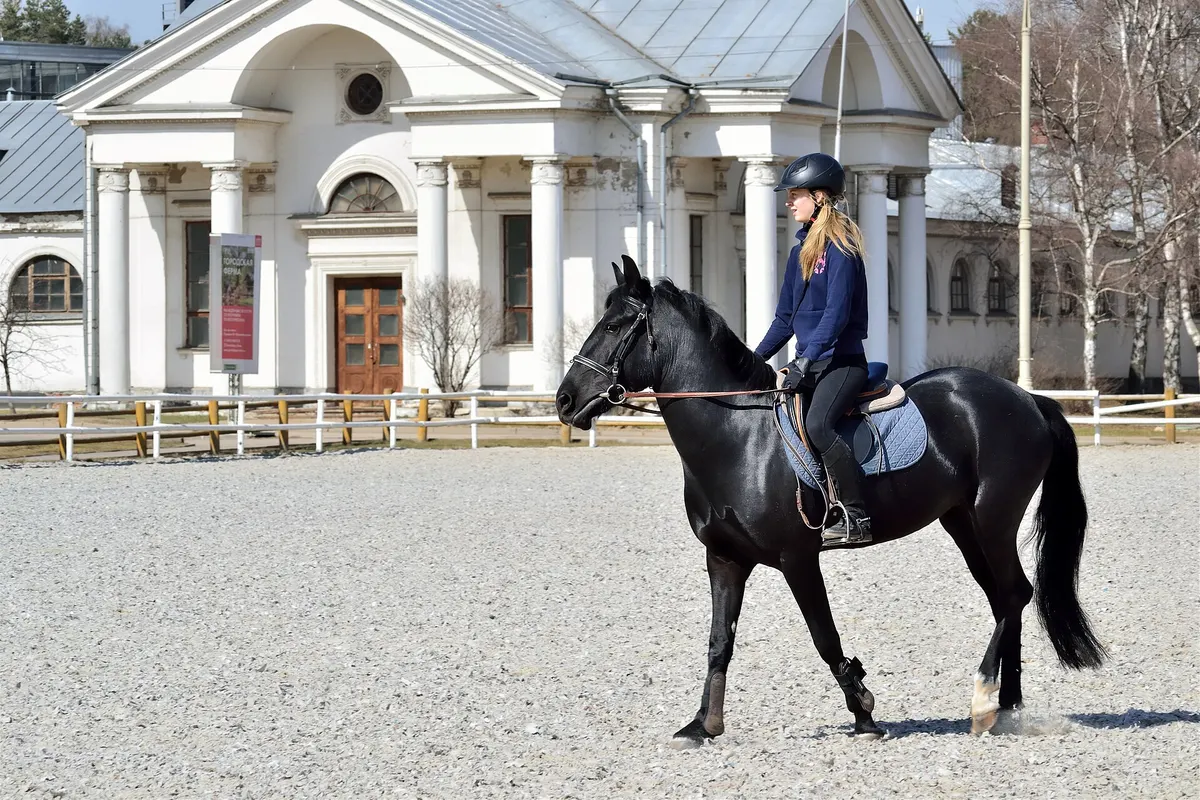
What to Wear for a Safe and Comfortable Ride
Before you even meet your horse, having the right gear makes a world of difference. Safety and comfort go hand in hand when you’re in the saddle.
- Helmet: This is non-negotiable for beginners. A properly fitted riding helmet protects your head in case of a fall, and most lesson barns provide them if you don’t have your own. - Boots with a heel: Sneakers or flat shoes are a common mistake. A boot with a short, defined heel (about half an inch to an inch) prevents your foot from slipping through the stirrup, which can be dangerous. - Long pants: Jeans or riding tights protect your legs from chafing against the saddle and from brush if you ride outdoors. Avoid shorts or loose, floppy pants. - Avoid dangling accessories: Scarves, long necklaces, or loose hoodie strings can catch on equipment or spook the horse. Keep it simple and snug.
Approaching Your Horse with Confidence
Horses are highly sensitive animals that pick up on your energy. When you walk up to a horse for the first time, take a calm, steady approach. Speak softly to let the horse know you’re there, and extend the back of your hand slowly for them to sniff. This is a polite horse greeting. Once they seem relaxed, you can gently pet their neck or shoulder, avoid the face area until you know the horse better.
Always approach from the side, never directly from behind, because horses can kick if startled. And remember: a calm rider helps create a calm horse.
Mounting Up: The Left-Side Tradition
You’ll almost always mount a horse from its left side. This tradition goes back centuries, horses are trained to expect it, and it keeps things consistent. Here’s a simple breakdown for your first mount:
1. Stand beside the horse’s left shoulder, facing the tail. 2. Hold the reins in your left hand, along with a handful of mane (not the saddle horn, which can shift the saddle). 3. Place your left foot in the stirrup, keeping your toe pointed slightly down. 4. Push yourself up, swing your right leg cleanly over the horse’s rump without touching it, and sit down gently. 5. Find your right stirrup with your toe.
Avoid “plopping” heavily into the saddle, that’s uncomfortable for the horse and can make them fidget. A smooth, quiet mount builds trust.
Steering, Stopping, and Finding Your Balance
Once you’re in the saddle, your posture is your foundation. Sit up tall with your shoulders relaxed, back straight, and eyes looking ahead, not down at the horse’s head. Your hands should hold the reins softly, like you’re holding a small bird: firm enough not to drop it, gentle enough not to crush it.
Steering with Your Seat and Legs
Many beginners think steering is all about pulling the reins. In reality, your seat and legs do most of the work. To turn left, for example, you’ll:
- Look where you want to go (your body naturally follows your eyes). - Apply gentle pressure with your right leg behind the girth. - “Open” the left rein slightly toward the direction of the turn, while keeping your right rein steady.
This combination of aids is much more effective than yanking on one rein. The horse feels your intention before you even move your hands.
Stopping Smoothly
To stop, first sit deep in the saddle and relax your body. Say “whoa” in a calm voice. If the horse doesn’t respond, apply gentle, steady pressure on both reins, never a hard jerk. As soon as the horse slows or stops, release the pressure as a reward. Most horses respond better to a soft feel than a harsh pull.
What to Expect on Your First Trail Ride or Lesson
Your first ride will almost certainly be at a walk, and that’s perfectly fine. The goal is to get comfortable with the horse’s rhythm and learn how your body moves with theirs. Here are a few things to keep in mind:
- Stay relaxed: Tension in your legs or hands makes the horse tense too. Breathe deeply. - Keep your heels down: This helps anchor your feet in the stirrups and improves your balance. - Look ahead, not down: If you stare at the horse’s head, you’ll lose your balance. Pick a point on the trail or arena wall and ride toward it. - Speak up if something feels wrong: If your saddle slips, the horse seems nervous, or you feel unsafe, tell your instructor or trail guide immediately. They’d rather fix a small issue than deal with a big one.
Common Beginner Questions and Misconceptions
- “Do I need to be strong to ride?” Not at all. Balance, timing, and clear cues matter far more than muscle. Many small, gentle riders communicate beautifully with their horses. - “Should I pull the reins to steer?” Usually not. Leg and seat aids come first; reins refine the direction. Think of reins as the steering wheel’s fine-tuning, not the main control. - “Can I wear sneakers?” It’s strongly discouraged. Sneakers can slip through a stirrup or get stuck, which is a safety hazard. Boots with a heel are much safer. - “Is riding always English style?” No. Western riding is very common, especially for trail riding. Western saddles are heavier and have a horn, while English saddles are lighter and allow closer contact. Both are wonderful, it’s about what suits your goals.
Dismounting Safely
When your ride is over, only dismount once the horse is completely stopped. If you have a guide or handler, ask them to hold the horse. Remove both feet from the stirrups, lean slightly forward, and swing your right leg over the horse’s rump. Slide down gently, landing on both feet. Never jump off, it’s jarring for the horse and hard on your knees.
Horseback riding is a journey, not a race. Every ride teaches you something new about balance, patience, and the quiet connection between you and your horse. If you’re looking for the perfect name for your new equine partner, be sure to check out the horse name generator for inspiration, or browse female horse names and male horse names to find a name that fits your horse’s personality. Happy riding