
Leaving your horse behind while you head out of town can feel a little nerve-wracking. You want to make sure your equine partner is safe, comfortable, and sticking to their usual routine. That’s where horse sitting comes in. It’s a dedicated service that goes far beyond just tossing a flake of hay over the fence. Whether you’re an owner planning a trip or someone considering offering horse-sitting services, understanding what’s involved makes all the difference.
What Exactly Is Horse Sitting?
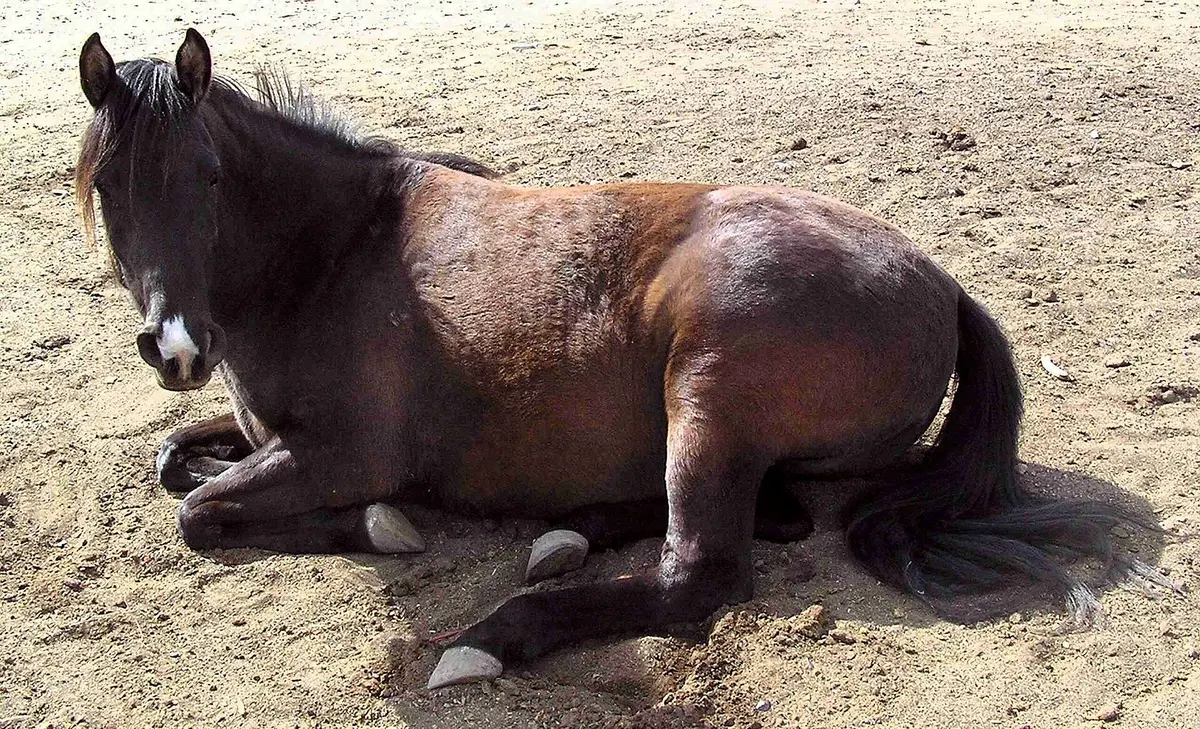
Horse sitting is the temporary, professional care of a horse or pony while the owner is away. It’s a hands-on job that covers the daily essentials: feeding, turning out or bringing in, stall cleaning, watering, grooming, blanketing, and basic health monitoring. Depending on the arrangement, it may also include limited exercise or groundwork. The core idea is to maintain the horse’s normal routine with as little disruption as possible, because horses thrive on consistency.
While it might sound straightforward, horse sitting requires a solid understanding of equine behavior and safety. It’s not the same as watching a dog or cat. Horses are large, powerful prey animals with specific needs and potential risks. A good horse sitter knows how to read body language, handle unexpected situations, and prioritize safety every time they enter the stall or paddock.
Key Responsibilities of a Horse Sitter
A typical horse-sitting job involves a mix of chores and observation. Here’s a breakdown of what you can expect:
- Feeding and watering: Following the owner’s exact schedule, including grain, hay, supplements, and medications. Checking water sources daily to ensure they’re clean and unfrozen.
- Turnout and stall management: Turning horses out to pasture or bringing them in, mucking stalls, and refreshing bedding.
- Grooming and hoof care: Picking hooves, brushing, and checking for injuries, mud, ticks, or other issues.
- Blanketing: Putting on or removing blankets or sheets based on weather and the owner’s instructions.
- Health checks: Observing for signs of colic, lameness, injury, or changes in appetite or behavior. Taking temperature if needed.
- Emergency response: Knowing how to contact the vet, farrier, and owner, and having authorization to make decisions in an emergency.
It’s also important to note that most horse-sitting jobs do not require riding. If exercise or riding is part of the deal, the owner will specify that in advance and confirm the sitter’s skill level.
How to Hire a Reliable Horse Sitter
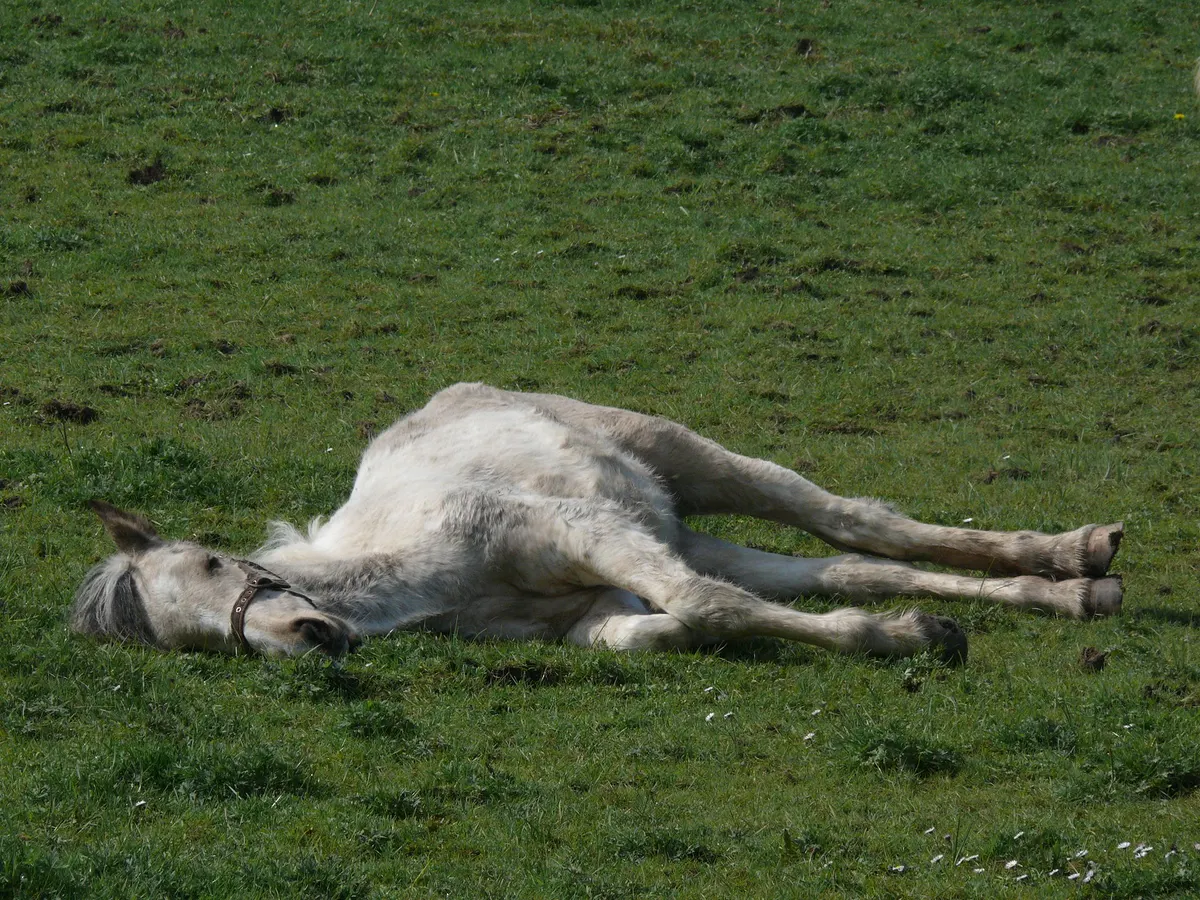
Finding the right person to care for your horse takes some thought. A great place to start is asking for recommendations from your barn friends, trainer, or local equine community. You can also check with professional organizations like Pet Sitters International for sitters who specialize in equine care.
Before you book anyone, schedule a meet and greet. This is your chance to walk them through your horse’s daily routine, introduce them to your horse’s personality, and show them where everything is kept, halters, leads, feed bins, blankets, first-aid kit, and emergency contacts. A trial run is even better: have the sitter handle a full day of care before you leave for a longer trip. This helps you both feel confident and catches any small issues ahead of time.
When you leave written instructions, make them clear and detailed. A one-page overview plus a more thorough backup document works well. Include feeding amounts and times, turnout schedule, blanketing rules, medication instructions, and emergency contacts. Also note what’s normal for your horse, things like their usual appetite, manure consistency, and behavior, so the sitter knows when something is off.
Essential Tips for Horse Sitters
If you’re the one stepping into the horse-sitting role, preparation is your best friend. Here are a few practical tips to keep you and the horses safe:
- Wear sturdy boots with a heel to protect your feet and help you stay balanced around horses.
- Use calm, confident body language. Horses pick up on your energy. Move deliberately and avoid sudden noises or gestures.
- Never assume a horse is safe just because it’s friendly. Always approach from the side, speak softly, and stay aware of kick and bite zones.
- Ask before making changes. Don’t turn out a horse, adjust a blanket, or give a medication unless the owner has explicitly said it’s okay.
- Use a checklist for morning and evening tasks. This prevents double-feeding, missed water checks, or forgetting to lock a gate.
Remember, horses are creatures of habit. If the owner didn’t leave detailed instructions, don’t improvise. Reach out to them or their backup contact for clarification. A small mistake, like feeding the wrong grain or skipping a medication, can have real consequences.
Common Misconceptions About Horse Sitting
There are a few myths that pop up regularly around horse sitting. Let’s clear them up:
- “Is horse sitting just feeding?” No. It’s a full routine that includes safety checks, stall cleaning, turnout management, health monitoring, and emergency preparedness.
- “Do I need to be a rider to horse-sit?” Not usually. Many jobs are ground-care only. But you do need solid horse-handling skills and confidence around large animals.
- “Can any pet sitter do it?” Not safely. Horses require specialized knowledge and experience. A sitter who only cares for cats and dogs may not understand equine body language or emergency protocols.
- “Are horses low-maintenance if they live outside?” Not at all. Pasture-kept horses still need daily water checks, fence inspections, health monitoring, and weather-related care like shelter or blanketing.
Being aware of these misconceptions helps both owners and sitters set realistic expectations and prioritize safety.
Finding the Right Fit for You
Whether you’re an owner looking for peace of mind or a sitter hoping to offer equine care, the key is preparation and communication. A thorough meet and greet, clear written instructions, and a trial run go a long way toward a successful arrangement. If you’re searching for the perfect name for your new horse or just love browsing creative ideas, check out the horse name generator for inspiration. And if you need a name that fits a mare or gelding, the female horse names and male horse names pages are packed with great options.
Taking the time to set up horse sitting the right way means your horse stays happy and healthy while you’re away, and you can relax knowing they’re in good hands.