
When you hear the term “horse statue,” you might picture a grand monument in a city square or a graceful sculpture in a park. While these images are spot-on, the world of horse statues is richer and more nuanced than many realize. For horse lovers and history buffs alike, understanding the difference between a simple horse sculpture and an equestrian statue, along with the symbolism behind them, can add a whole new layer of appreciation. Whether you’re looking for inspiration for a horse name or just curious about public art, let’s explore what makes these statues so compelling.
What Exactly Is an Equestrian Statue?
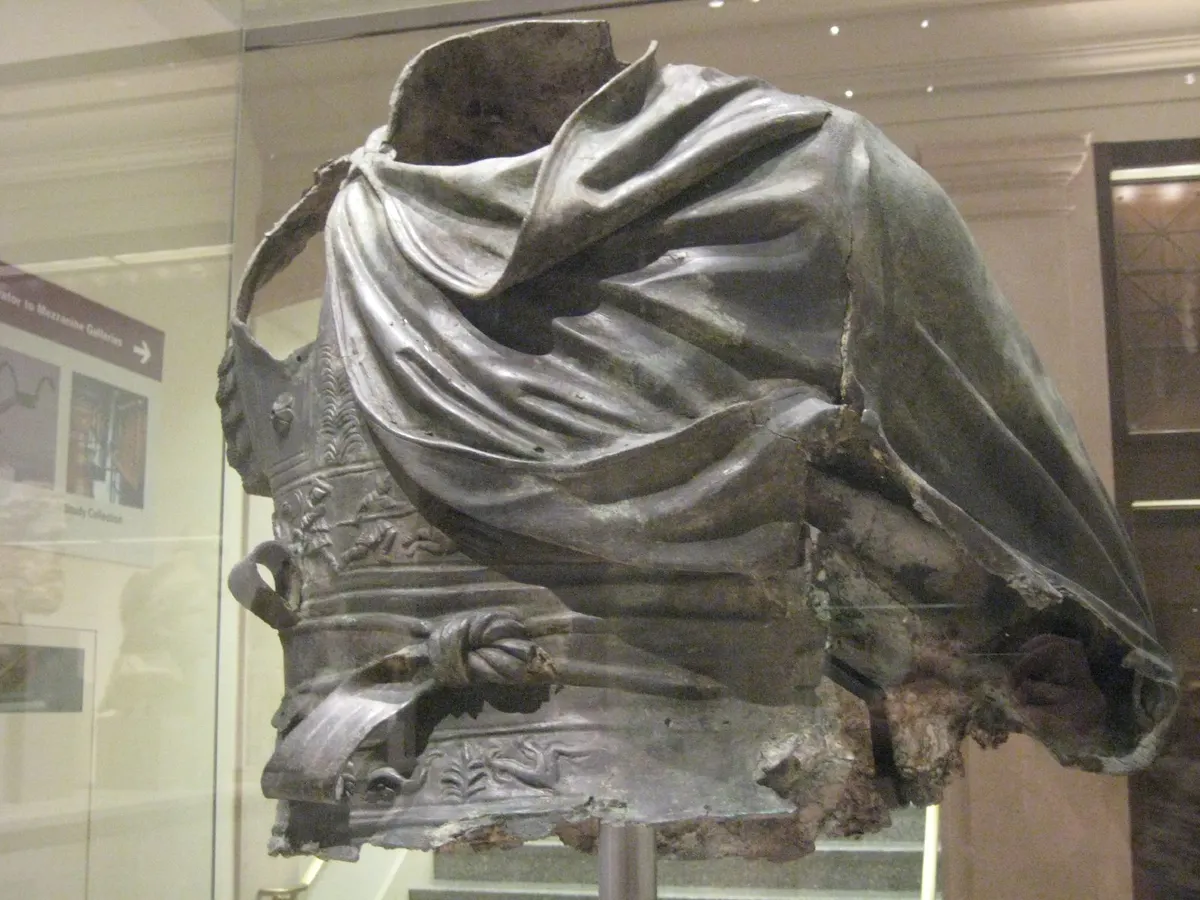
Strictly speaking, an equestrian statue is a sculpture of a rider mounted on a horse. The word comes from the Latin eques (knight or rider) and equus (horse). If the statue shows only the horse, without a rider, it is more accurately called an equine statue or simply a horse sculpture. This distinction matters because the two types often carry different meanings and are used in different contexts.
Equestrian statues are almost always associated with rulers, military leaders, and other figures of authority. They are designed to convey power, leadership, and command. The technical challenge of balancing a rider on a rearing or striding horse makes these statues particularly impressive feats of engineering and artistry. In contrast, a riderless horse statue might emphasize the animal’s own beauty, strength, or symbolic meaning, like freedom, motion, or wildness.
Why Horse Statues Are So Common in Public Art
Horses have been linked with status, war, speed, and power for centuries. This makes them a natural choice for monuments and memorials. You’ll find horse statues in public squares, parks, and museums around the world, often serving as tributes to historical figures or events.
- Symbol of power and leadership: A mounted rider suggests control, authority, and the ability to lead. - Commemoration of military heroes: Many equestrian statues honor generals or soldiers who fought on horseback. - Celebration of freedom and movement: A horse in mid-stride or rearing up captures a sense of energy and action. - Artistic prestige: Creating a full-sized equestrian statue is technically difficult and expensive, so they are often reserved for important commissions.
Symbolism and Meaning in Horse Statues
The way a horse is portrayed in a statue can tell you a lot about its intended message. A calm, standing horse might suggest stability and patience, while a rearing horse implies courage, defiance, or a call to action. In modern abstract works, the horse can represent more personal or emotional themes, such as the bond between humans and animals.
For horse enthusiasts, the symbolism of these statues can be a wonderful source of inspiration for naming a real horse. If you’re looking for a name that carries a sense of grandeur or nobility, consider these ideas drawn from statue themes:
- Valor, for a brave and spirited horse
- Majestic, for a horse with a regal presence
- Sterling, for a horse of high quality and strength
- Victory, for a champion or competitive horse
- Liberty, for a horse that loves freedom and open spaces
- Titan, for a large, powerful horse
If you’re still searching for the perfect name, you can always use the horse name generator on our site for more ideas, or browse our lists of female horse names and male horse names for inspiration.
Common Myths About Horse Statues
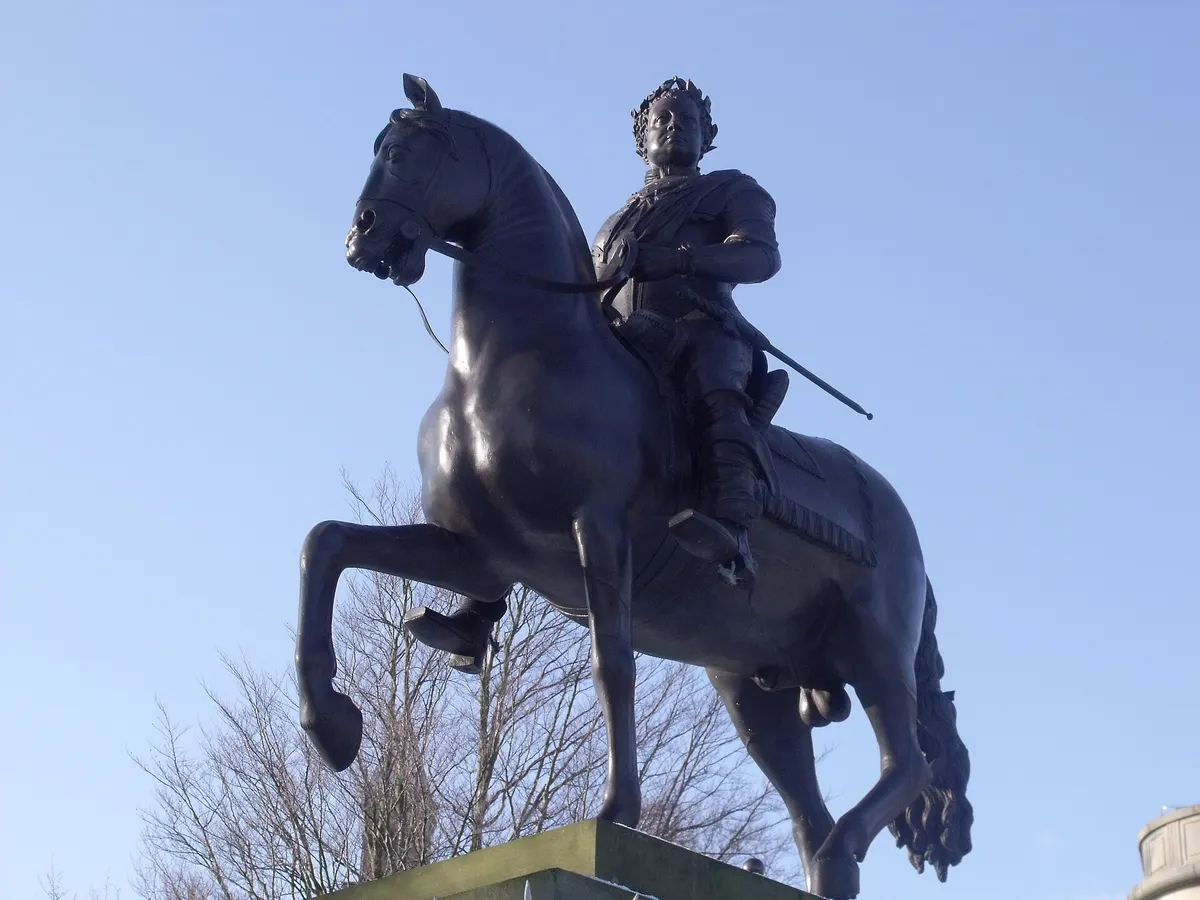
One of the most persistent myths about equestrian statues is that the position of the horse’s hooves reveals how the rider died. According to this urban legend: - Both front hooves in the air means the rider died in battle. - One front hoof raised means the rider was wounded in battle or died later. - All four hooves on the ground means the rider died of natural causes.
While this “code” is widely shared online, it is almost certainly a fabrication. There is no reliable historical or artistic rule that connects hoof positions to a rider’s fate. The pose of a horse in a statue is usually chosen for artistic, structural, or symbolic reasons, not as a secret message. So, next time you see a horse statue, you can enjoy its beauty without worrying about decoding hidden meanings.
Modern and Abstract Horse Statues
Not all horse statues are realistic or historical. Contemporary artists often create stylized or abstract horse sculptures that focus on form, movement, or emotion rather than accurate anatomy. These pieces can be found in galleries, private collections, and public spaces. They might use unusual materials, exaggerated proportions, or fragmented shapes to convey a sense of energy or freedom.
For horse lovers, these modern interpretations can be just as inspiring as traditional monuments. They remind us that the horse is a timeless muse in art, capable of representing everything from raw power to gentle grace.
Closing Thoughts
Whether you’re admiring a centuries-old equestrian statue in a European square or a sleek modern horse sculpture in a city park, these works of art tell stories about our history, our values, and our connection to horses. Understanding the difference between an equestrian statue and a simple horse sculpture, and knowing a bit about their symbolism, can deepen your appreciation. And if you’re ever looking for a name that captures the spirit of your own horse, you might find the perfect one inspired by the majesty of these timeless statues.