
If you’ve landed here searching for “white horse chords,” you’re probably looking for guitar tabs, not horse tack or coat colors. It’s a common mix-up, the phrase sounds like it could be about equestrian gear, but in the music world, it points to at least two very different songs. One is Taylor Swift’s tender ballad from her Fearless album, and the other is Chris Stapleton’s gritty country-rock anthem. We’ll break down both versions, help you figure out which one you need, and even touch on how the “white horse” imagery might inspire your next horse name.

Taylor Swift’s “White Horse” Chords, A Beginner-Friendly Ballad
Taylor Swift’s “White Horse” is a soft, emotional song often played on acoustic guitar. The key is C major, and the chord progression is straightforward, making it a great choice for beginners. Most tutorials recommend using a capo to simplify the shapes.
Common chord set (with capo on 5th fret): C, F, G, Am. Without a capo, you can play the same shapes but in a different key. The strumming pattern is gentle, think down, down-up, down-up, to match the song’s reflective mood.
Tip: If you’re new to guitar, focus on switching smoothly between C and G first, then add Am and F. The bridge section may have a slightly faster change, but the core verse and chorus stay consistent.
Chris Stapleton’s “White Horse” Chords, A Country-Blues Riff
Chris Stapleton’s “White Horse” is a different beast entirely. It’s driven by a bluesy, rock-infused progression that centers on bar chords. The main chord shapes are C#m, A, E, and B (or Badd9). Some tutorials simplify it to just two shapes for the verse, but the chorus opens up with fuller voicings.
Key differences from Taylor’s version: No capo is needed for Stapleton’s song, and the playing style is more percussive, with palm muting and slide techniques. Expect a lower, heavier sound. If you’re an intermediate player comfortable with bar chords, this version will feel more natural.
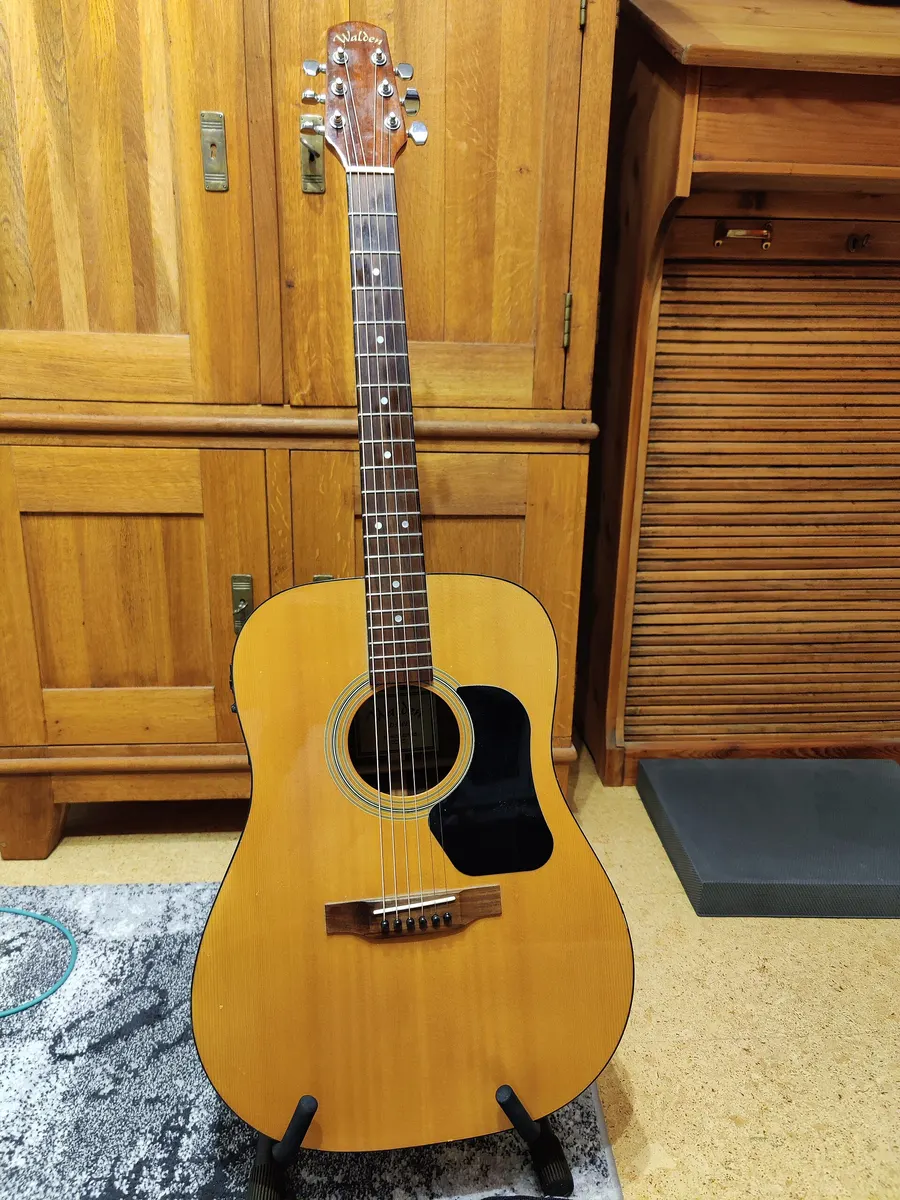
Which Version Should You Learn? A Quick Comparison
If you’re unsure which song you actually want to play, here’s a simple breakdown:
- Taylor Swift: Ideal for beginners. Uses open chords and a capo. Soft, acoustic, and romantic. - Chris Stapleton: Better for intermediate players. Requires bar chords and a stronger strumming hand. Gritty and powerful.
Both songs share the same title but nothing else musically. If you clicked expecting one and got the other, don’t worry, you’re not alone. Many guitarists search for “white horse chords” and find a mix of results.
Why “White Horse” Appears in So Many Songs
The white horse has long been a symbol of rescue, freedom, and romantic idealism in music and literature. In Taylor Swift’s song, it represents the fairy-tale ending that doesn’t come true. In Chris Stapleton’s, it’s more about wildness and untamed love. This imagery also makes “White Horse” a popular name for actual horses, whether for a pale-coated mare or a spirited gelding.
If you’re here because you love the symbolism, you might enjoy browsing our collection of white horse names for inspiration. Many riders choose names like “Snowdrift,” “Ivory,” or “Ghost” to match a white coat, but a song-inspired name like “Swift” or “Stapleton” could be a fun twist.
Common Questions About “White Horse” Chords
Do I need a capo for either version? Only for Taylor Swift’s arrangement. Chris Stapleton’s song is played without one.
Are the chords the same for every “White Horse” song? No. Each artist uses a unique progression. Always check which song a tutorial refers to.
Can I play both songs with just basic chords? Taylor’s version is very accessible with open chords. Stapleton’s requires bar chords, which take more practice.
What if I’m looking for horse-related information? If you actually wanted to learn about white horse coats, genetics, or training, you’ve come to the right place too. We have guides on everything from mare names to stallion names.
Closing Thoughts
Whether you’re strumming Taylor Swift’s gentle chords or digging into Chris Stapleton’s gritty riff, “white horse” is a phrase that carries weight in both music and the equestrian world. If you landed here by accident, we hope you found the chords you needed, and maybe a little horse-inspired fun along the way. If you came for the horses, welcome. You’ll find plenty of name ideas and care tips throughout our site.